
Ground Heave Under Concrete Floor Slabs: Causes, Risks and Protection
Ground heave can present a significant challenge when constructing reinforced concrete floor slabs on soils that are susceptible to expansion. Changes in moisture content can cause certain soils to swell, creating upward movement beneath a building and potentially transferring damaging forces into the floor slab and surrounding structure.
This guide explains what causes ground heave, which soil conditions are most likely to result in ground movement, and why the risk should be considered during the design of concrete floor slabs. It also looks at how ground heave protection systems work and how a compressible layer beneath a reinforced concrete slab can provide space for anticipated soil movement.
Ground heave protection is installed beneath the concrete slab to create a controlled compressible zone between the structure and the supporting ground. When expansive soil attempts to move upwards, the protection system is designed to accommodate a proportion of that movement, helping to reduce the upward forces transferred into the reinforced concrete slab. The required depth and load capacity of the system will depend on factors including the predicted ground movement, soil characteristics and concrete slab thickness.
The guide also explains the difference between soil heave potential and the structural loading that the protection system needs to accommodate. Understanding both factors is important when determining the appropriate type, depth and grade of ground heave protection for a project.
For projects where expansive soils may affect a reinforced concrete floor slab, understanding the ground conditions and designing an appropriate heave protection system can help reduce the risk of movement-related problems and provide a more suitable foundation solution.
Read more...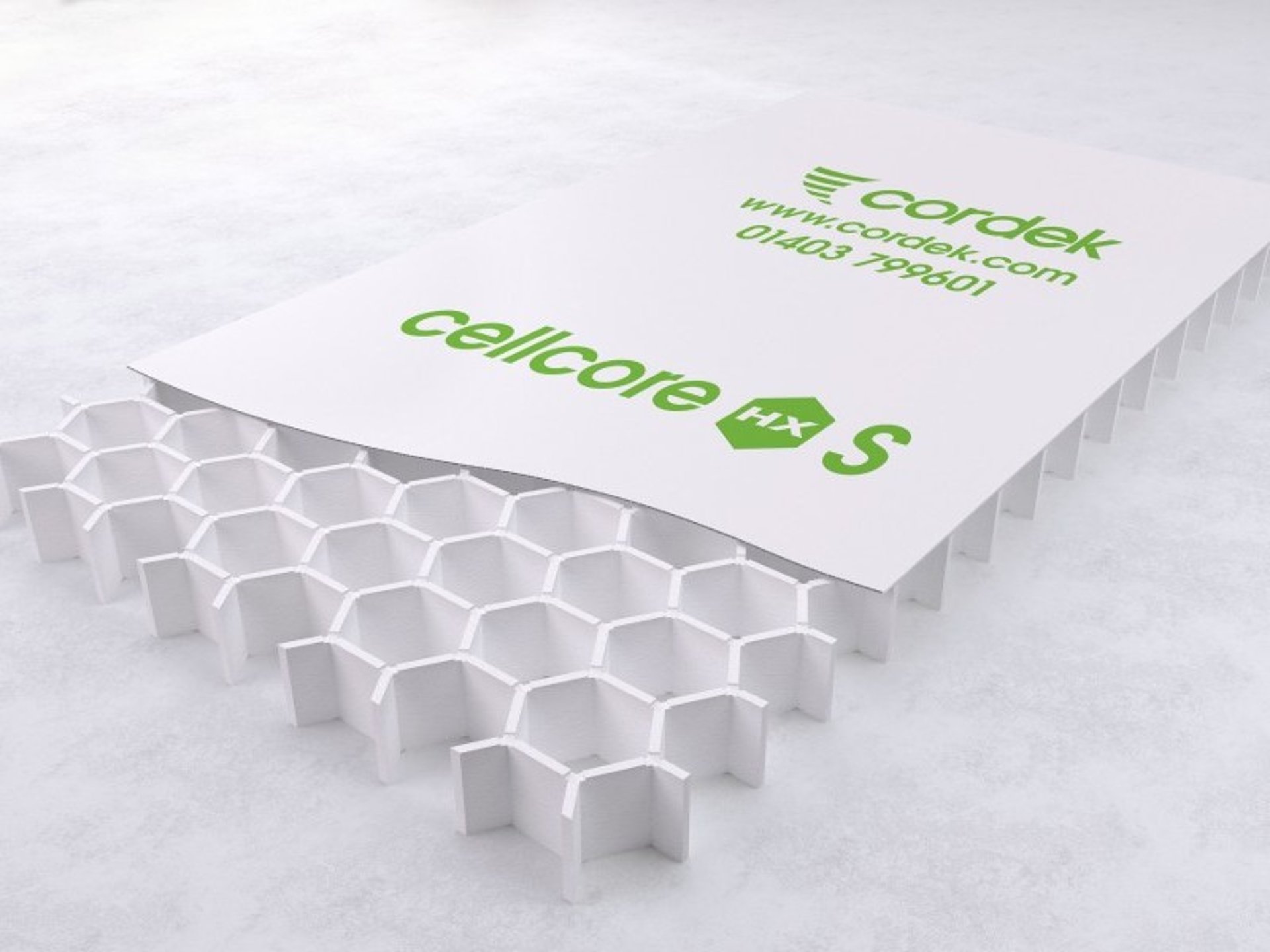
Filter Products
- newest
- most sold
- most quote requested
- price low to high
- price high to low








Extra Information
CRN: 11947867VAT N.GB323267322Trading since: 15-03-2019Privacy PolicyCookie PolicySite Map


